

Minimalism is often sold as an aesthetic — white walls, empty shelves, a single ceramic vase catching the afternoon light. The reality of living that way is different. A home with nothing in it is not calmer; it is sterile. The homes that actually feel good to live in are the ones where every object has earned its place.
This guide is about that quieter version of minimalism. The kind that survives a Tuesday evening, a small apartment, and a life with real things in it.
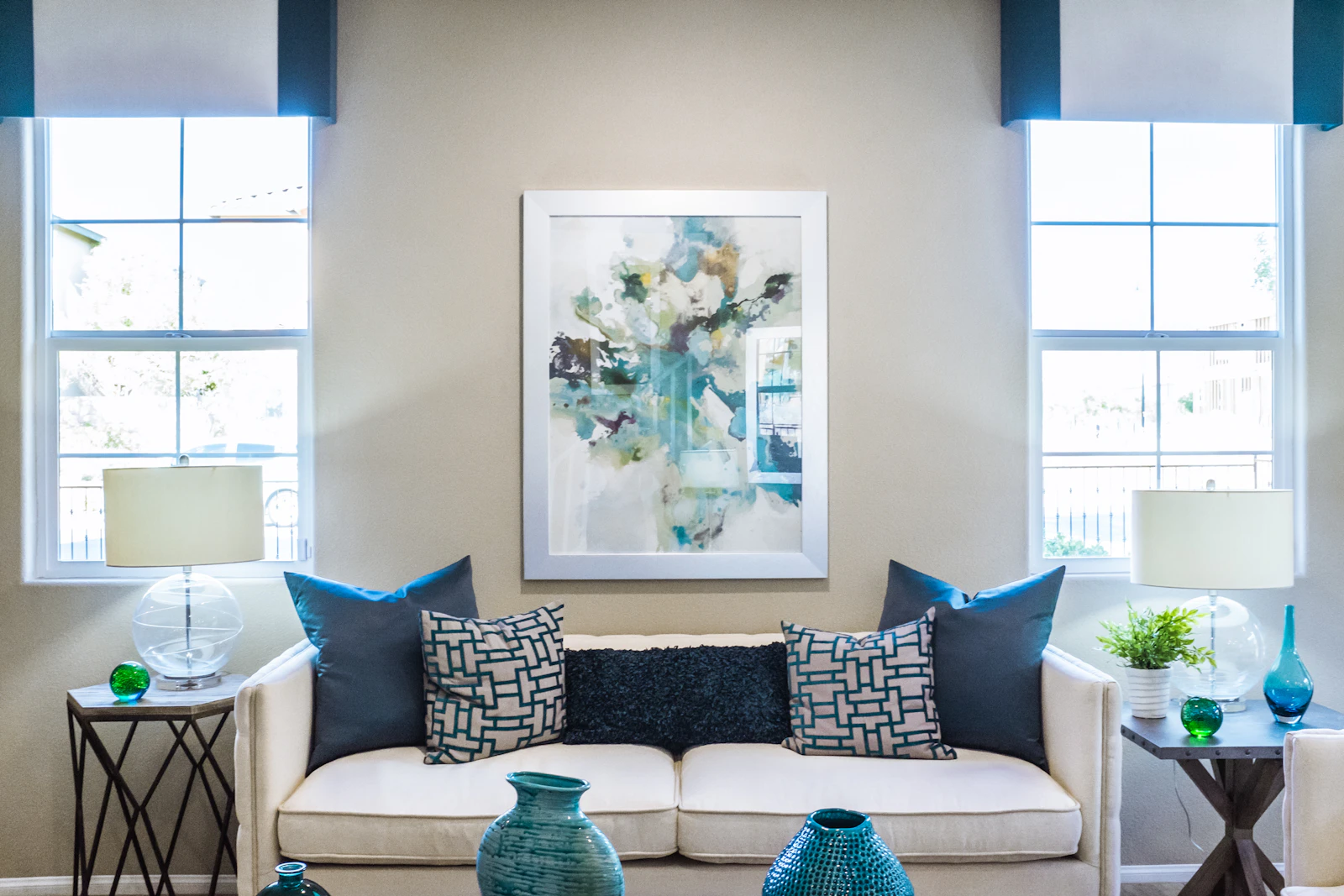
Start with how you want the room to feel, not how it should look
Most minimalist projects fail because they begin with a Pinterest board. The board shows finished rooms, not the decisions that produced them. A more honest starting point is a single sentence: I want this room to feel ___. Quiet. Open. Warm. Focused. Restful.
Once that word exists, every later decision has something to push against. A heavy patterned rug might be beautiful, but if the word is quiet, it does not belong here. The point is not to remove things; it is to remove the things that do not serve the feeling.
The 80/20 rule of a minimalist room
In almost every well-designed minimalist room, roughly 80% of the visual weight comes from three things: the floor, the walls, and one or two large pieces of furniture. The remaining 20% — small objects, art, textiles — is where personality lives.
Get the 80% right and you can be generous with the 20%. Get the 80% wrong and no amount of curated styling will save it.
- Walls: matte, low-contrast, ideally a warm off-white or soft greige.
- Floor: one continuous material across as much of the home as possible.
- Anchor furniture: a sofa, a bed, a dining table — chosen for proportion before style.
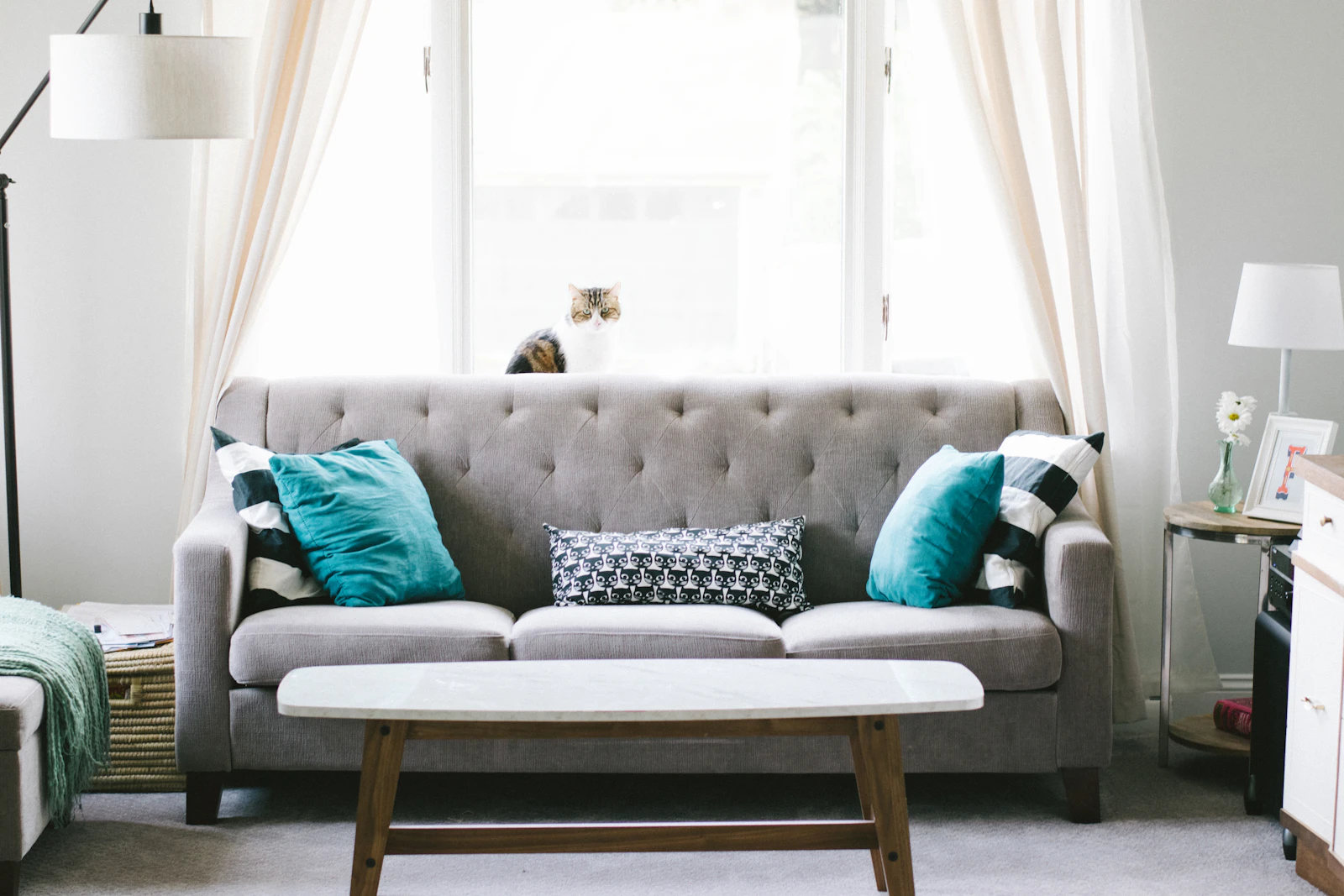
Buy fewer, larger, quieter pieces
A common mistake in early minimalist styling is buying many small accent objects to fill the space that the removed clutter left behind. The result is a room that reads as arranged rather than calm.
A better instinct: one larger, quieter piece does the work of five smaller ones. A single oversized linen throw on a bed creates more atmosphere than a dozen decorative cushions. One generous floor lamp is more restful than three table lamps. One large piece of art on a long wall is more confident than a gallery grid.
Texture is the secret ingredient
Minimalist rooms that feel cold almost always have one thing in common: every surface is smooth. Glass, lacquer, polished stone, flat paint. The eye has nothing to land on, so the room reads as a showroom rather than a home.
The fix is texture, not color. Try layering two or three of the following in any neutral room and watch it warm up immediately:
- Washed linen — curtains, bedding, a draped throw
- Unfinished or lightly oiled wood — oak, ash, walnut
- Hand-thrown stoneware — bowls, vases, lamp bases
- Natural fibre rugs — wool, jute, undyed cotton
- Aged or unlacquered metals — brass, blackened steel
Storage is the real design problem
Most homes do not have a styling problem. They have a storage problem. Visible clutter is almost always the symptom of insufficient closed storage somewhere else in the home.
Before redecorating a room, audit it: is there a single closed cupboard, drawer, or basket with empty space inside? If not, no amount of restyling will keep the surfaces clear for more than a week.
Lighting is half the room
A minimalist room with one ceiling light is not minimalist; it is unfinished. Layered, low-level lighting is what makes a calm room feel atmospheric rather than empty.
Aim for at least three light sources at different heights in any living space: a floor lamp, a table lamp, and a low ambient source such as a wall sconce, a candle, or a small picture light. The ceiling light becomes the one you almost never use.
Edit on a slow schedule
The most underrated minimalist habit is the seasonal edit. Twice a year, take ten minutes per room and ask one question of every visible object: Would I buy this again today? If the answer is no, it goes into a box in a cupboard for thirty days. If you do not retrieve it from the box in those thirty days, it leaves the home.
Done quietly twice a year, this single habit does more for a calm home than any one-off decluttering weekend.
What to avoid
- All-white rooms with no warm tones — they read as clinical on camera and colder in person.
- Buying matching sets — sofas, side tables, and lamps from the same range flatten the room.
- Open shelving as the main storage solution — it asks for constant styling work.
- Replacing personality with restraint — a minimalist home should still feel like someone lives there.
Build a calmer home, one piece at a time
Browse considered, long-lasting pieces designed to live with you for years, not seasons.
Shop the collectionFrequently asked questions
Is minimalism the same as having an empty home?
No. Minimalism is about intention, not absence. A well-designed minimalist home often has plenty of objects — they have simply earned their place through use, beauty, or meaning.
How do I start if my home already feels cluttered?
Pick one surface, not one room. Clear it completely, then return only the objects you actually use weekly. Repeat with one new surface every weekend.
Does minimalist design work in small apartments?
Especially well. Smaller homes amplify clutter, so the visual relief of a calmer scheme is felt more strongly. Focus on closed storage, large mirrors, and one continuous floor finish.
Can I have color in a minimalist home?
Yes. Minimalism is about restraint, not absence of color. A single deep tone — clay, olive, ink — used confidently across a room is often more minimalist than five neutrals layered nervously.
Continue reading